Into the wild. With purpose.
Field Herping Network.
Into the wild. With purpose.
What is the Field Herping Network?
The Field Herping Network exists to connect people with the hidden world of reptiles and amphibians through ethical, purposeful exploration.
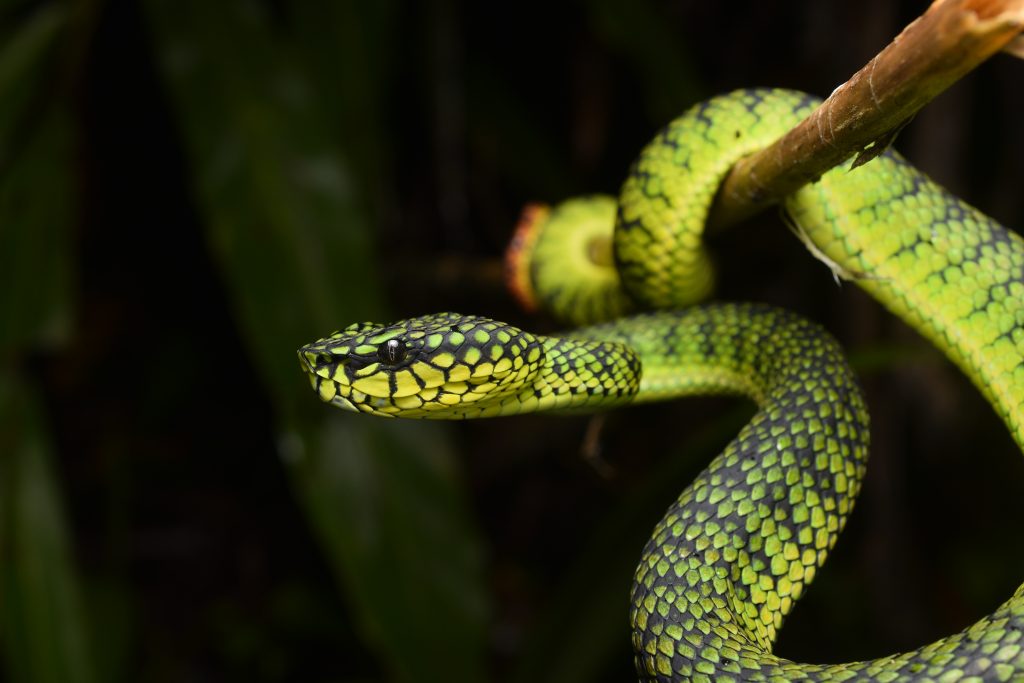
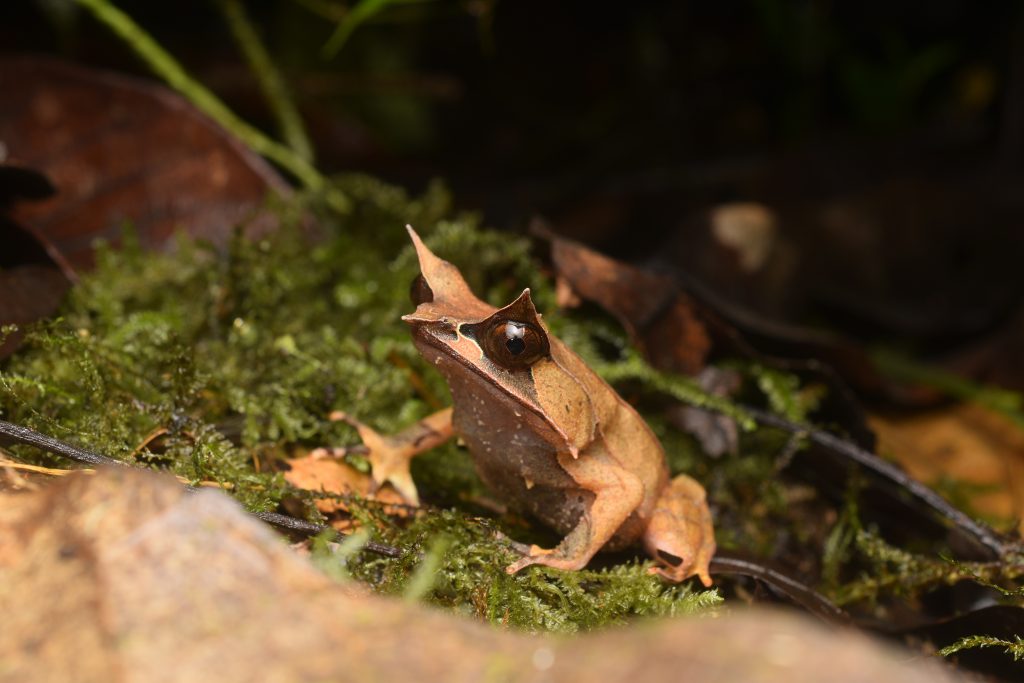
We lead small-group expeditions that blend the excitement of field herping and wildlife photography with hands-on training in responsible data collection.
Our mission is to encourage curiosity, deepen scientific understanding, and promote conservation by guiding participants into wild places with intention, respect, and a commitment to leaving the landscape, and its inhabitants, better understood and better protected.
What to expect?
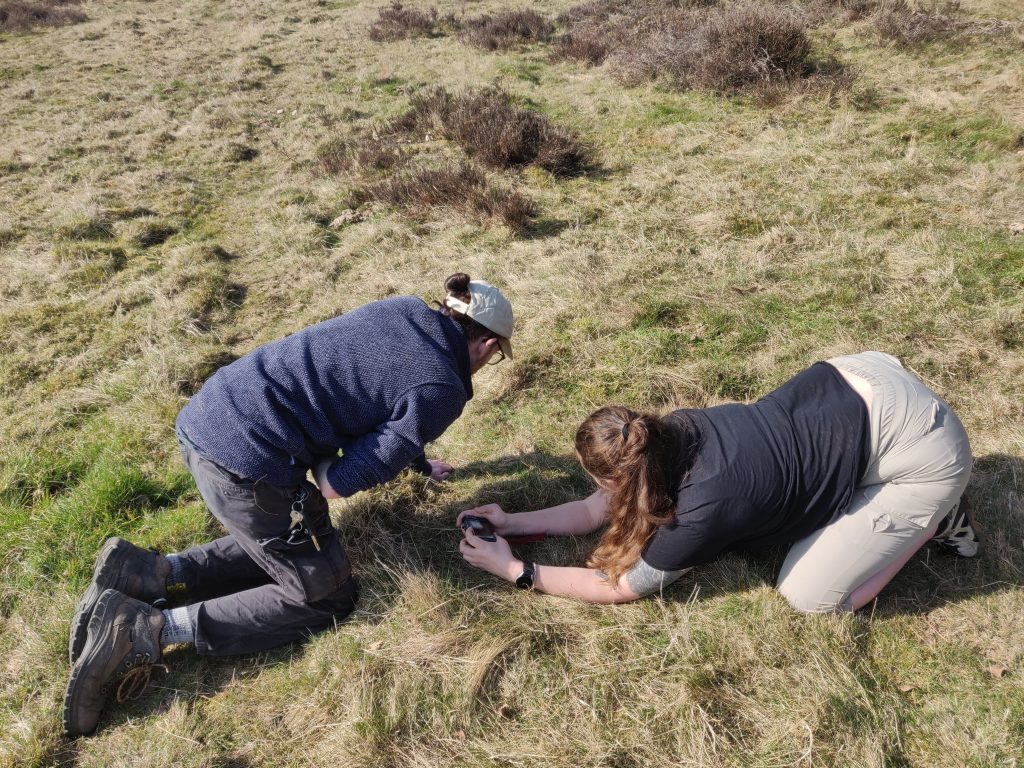
Our expeditions are open to anyone interested in observing herpetofauna in the wild. They are led by experienced researchers and naturalists, often with local partners to ensure the correct permits and permissions are in place. Depending on the location and target species, we will conduct a mixture of diurnal and nocturnal herping, collecting data and photographs along the way. We encourage hands-on participation, where it is safe and ethical to do so.
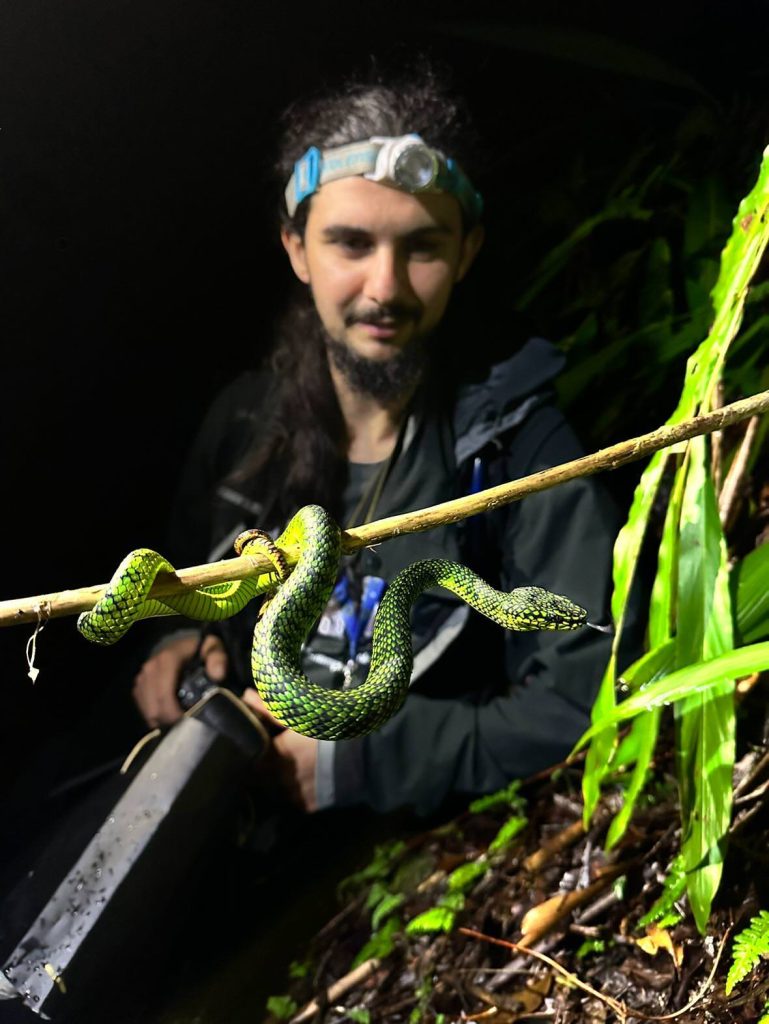
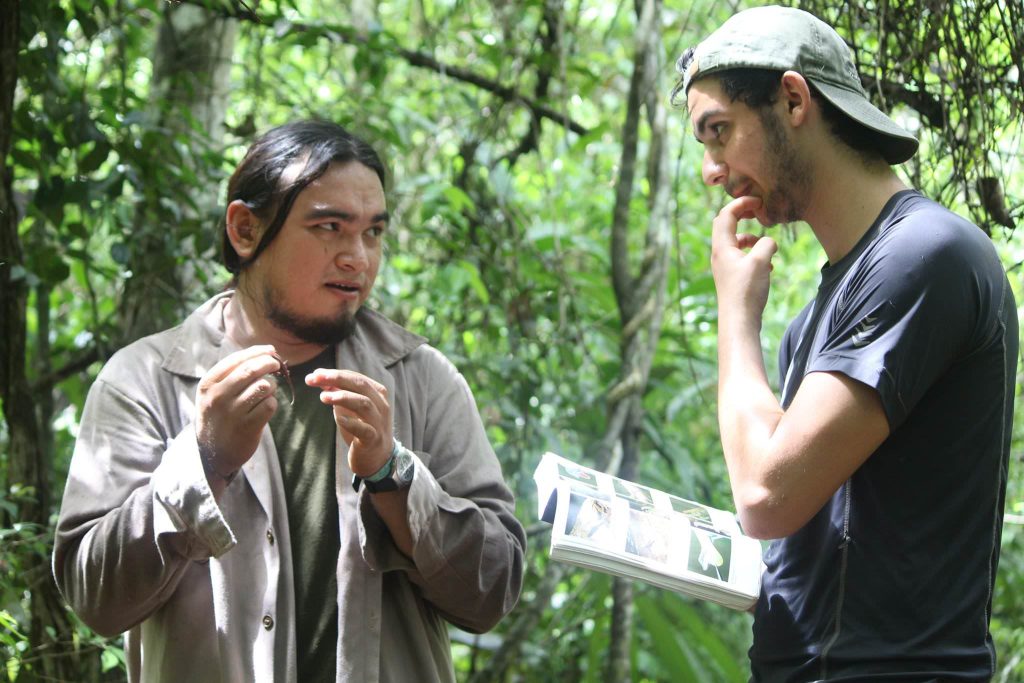
Expert Guides
Learn from seasoned professionals passionate about reptiles, amphibians, and ecology.
Not only are our staff incredibly experienced with field biology, but we also team with local researchers and naturalists.
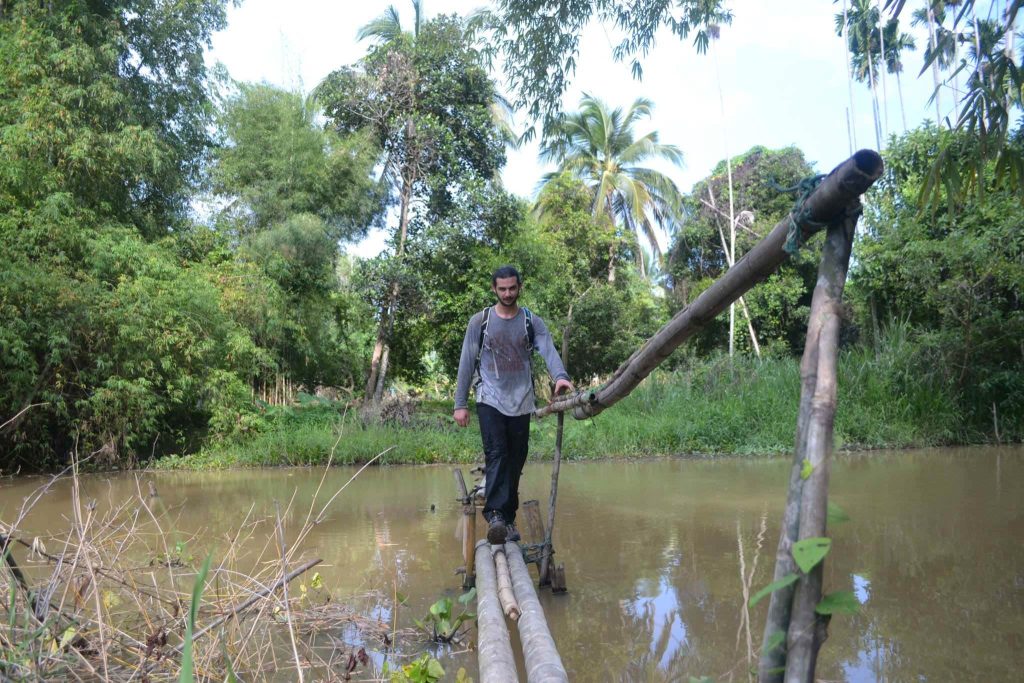
Unique expeditions
Engage in hands-on experiences in diverse habitats from rainforests to deserts.
From photography, to snake-wrangling, to science; we want to provide a unique and meaningful expedition tailored to your expectations.
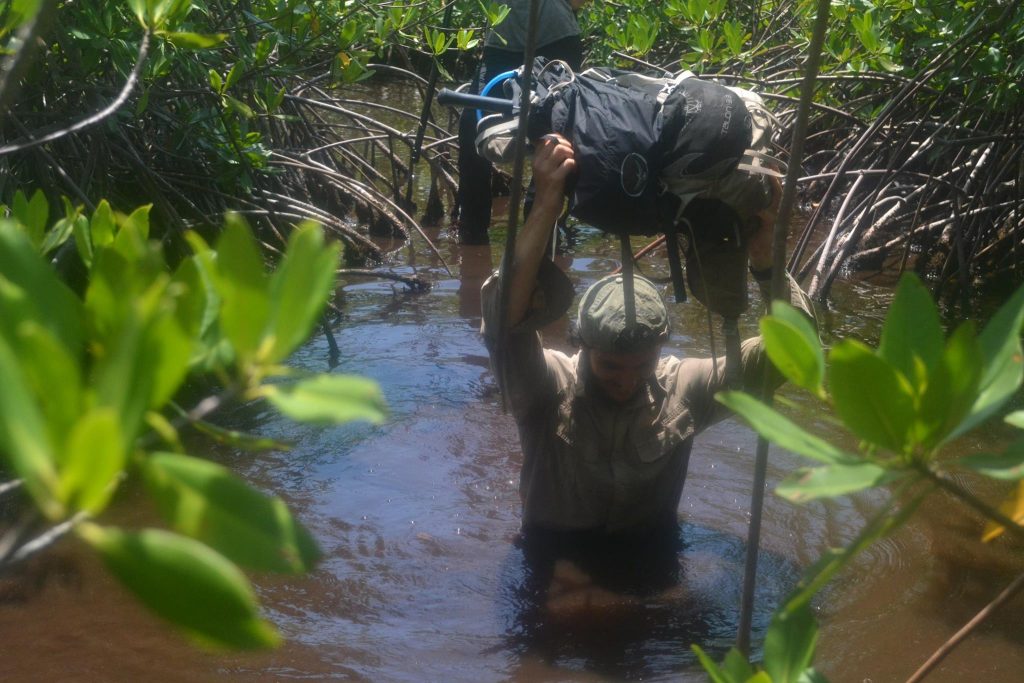
Conservation Focused
Contribute to scientific research and conservation efforts during each expedition.
Many tour groups go to interesting places and find interesting animals, but what do they do with the data? Each of our trips has local partners to best inform us how our observations can contribute to science and conservation.
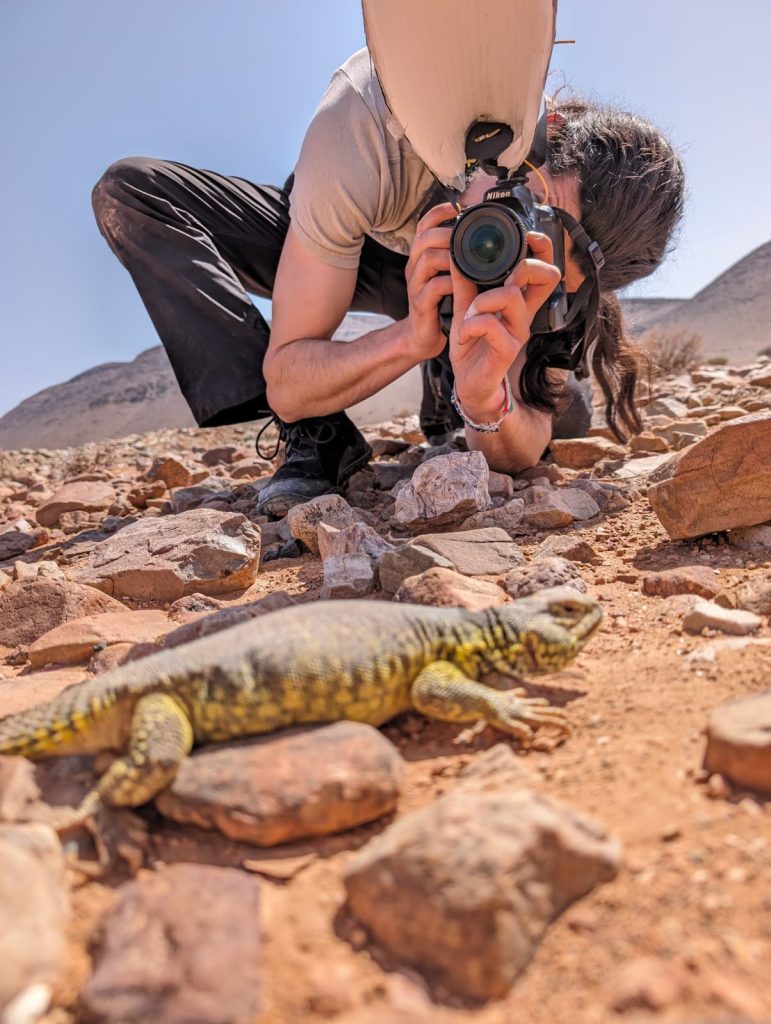
Photography opportunities
Capture stunning images of wildlife in their natural habitats.
Ethics and welfare is our number one priority, so we will limit the time spent photographing animals to avoid stressing them out. We will only capture, bag, and hold animals where necessary for data collection and where appropriate permits are in place.